

All about dry eyes
What causes dry eyes, the symptoms to watch for, and how to find lasting relief — your complete guide to dry eye syndrome.
What is Dry Eye?
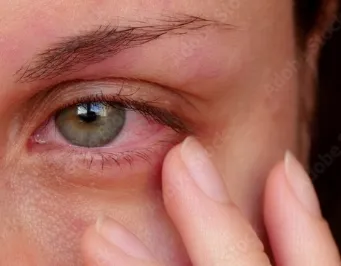
Dry eye is a syndrome occurring due to a decline in quantity or quality of tear film. Chronic dry eye can lead to eye inflammation, abrasion of corneal surface, destruction of lacrimal glands and even vision loss.
Therefore, it is important to recognise the symptoms of dry eyes early, avoid the triggers by cultivating a good habit and get them treated today!
Symptoms of dry eyes may include:
- Stinging or burning sensation in the eyes
- Discomfort of the eyes
- Blurred vision which worsens as the day progresses
- Eye fatigue
- Mucus in or around the eyes
- Red eyes
- Sensitivity to light
- Discharge which may initially present with excessive tearing and is intermittent
Dry eyes can develop for many reasons, including:
Age
- Increased evaporation of tears as one ages
- Decreased aqueous layer production due to change in hydration status
- Dry eyes are a part of the natural aging process.
Certain Medical Conditions
People with rheumatoid arthritis, diabetes, and thyroid problems are more likely to have symptoms of dry eyes. Also, problems with inflammation of the eyelids (blepharitis), inflammation of the surfaces of the eye, or the inward or outward turning of eyelids can cause dry eyes.
Contact Lens Usage & Refractive Surgeries
- Long-term use of contact lenses can be a factor in the development of dry eyes.
- Refractive eye surgeries, such as LASIK, can decrease tear production and contribute to dry eyes.
If you experience dry eyes, keep a lookout for the triggers and avoid them! When your eyes talk, listen to them.

Frequently asked questions
What are the most common symptoms of dry eyes?
Common symptoms include a stinging or burning sensation, general eye discomfort, blurred vision that worsens through the day, eye fatigue, mucus in or around the eyes, redness, and sensitivity to light. Some people also experience excessive, intermittent tearing.
What causes dry eyes?
Dry eye happens when the quantity or quality of your tear film declines. Contributing factors include ageing, certain medical conditions such as rheumatoid arthritis, diabetes and thyroid problems, eyelid inflammation (blepharitis), long-term contact lens wear, and refractive surgery such as LASIK.
Are dry eyes serious if left untreated?
Chronic dry eye can lead to eye inflammation, abrasion of the corneal surface, damage to the lacrimal glands and, in severe cases, vision loss. That is why it is important to recognise the symptoms early and treat them.
Can contact lens wearers use Evolve® eye drops?
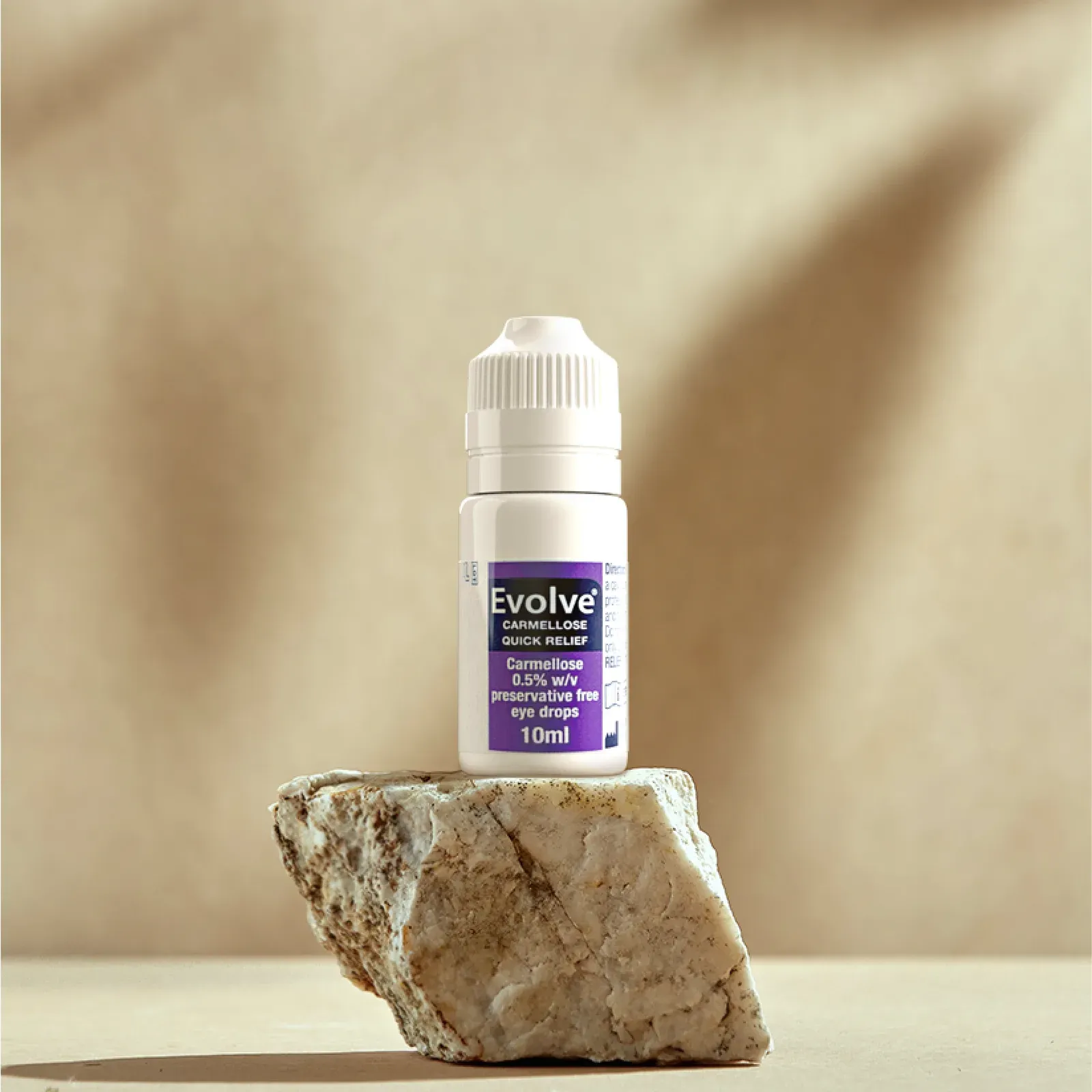
Yes. Evolve® preservative-free eye drops are suitable for contact lens wearers and for people who have undergone procedures such as LASIK, making them a versatile option for a wide range of dry eye needs.
Continue reading

Understanding Dry Eye & How to manage it better
Prof. Dr. Louis Tong of Singapore National Eye Centre (SNEC) answers key questions on dry eye disease and how to manage it better.

Your eyes need a break: How to soothe screen fatigue
Expert-backed ways to soothe screen fatigue and digital eye strain — from the 20-20-20 rule to choosing the right eye drops.

What is the connection between droopy eyelids and dry eyes?
Droopy eyelids do more than change your look — discover how they're linked to dry eyes and what you can do about it.